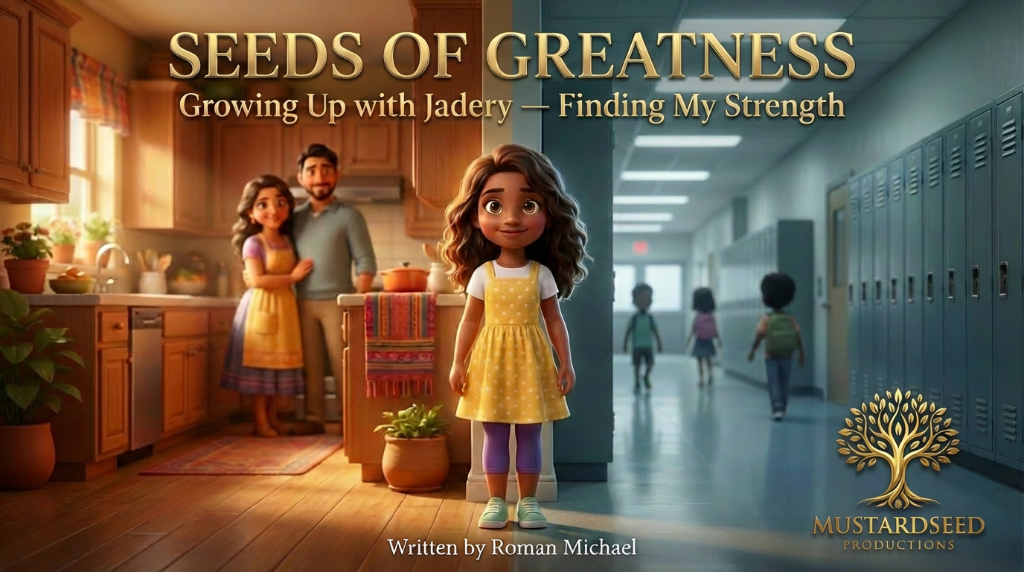
We are living through a confidence crisis in childhood. Not a shortage of trophies, praise, or positive affirmations — those are more abundant than ever. The crisis is the gap between how often children are told they are amazing and how little that seems to actually help them when something hard arrives.
The Problem with Praise-Only Confidence
When a child has been told they're special, talented, and capable — but has never genuinely struggled and come through the other side — their confidence is built on a foundation that hasn't been tested. The first real failure, the first genuine rejection, the first moment when being told they're great isn't enough — that's when the structure reveals itself.
Researchers Carol Dweck and Angela Duckworth, in separate bodies of work, have documented the same essential finding: children who are praised for their effort and character develop dramatically more resilience than children praised primarily for their natural talent or innate traits. The reason is simple. Effort and character are within a child's control. Talent — in the framing most children receive — is not.
Real confidence isn't the belief that you will always succeed. It's the belief that you can handle whatever happens — including failure. That's a very different thing, and it requires a different kind of building.
"The confidence we want for our children isn't fragile. It's the kind that bends in the storm and doesn't break — because it was built in the storm, not before it."
5 Ways to Build Confidence That Actually Holds
-
01
Let them struggle — and stay present while they do
The most damaging thing a well-meaning parent can do is remove difficulty before it does its work. When a child is frustrated, the instinct to rescue is powerful — but the moment between struggle and breakthrough is often where confidence is actually formed. Stay close. Ask what they think they should try next. Believe in them out loud. But let them be the one who solves it.
-
02
Separate their value from their performance
A child who learns that they are loved and valued regardless of how they perform develops a stable base that isn't dependent on outcomes. This doesn't mean ignoring results or abandoning standards — it means making unmistakably clear that your love and your view of their worth is not contingent on winning, succeeding, or impressing. That stability is the soil real confidence grows in.
-
03
Give them evidence of their own capability
Children don't believe in themselves because they've been told to — they believe in themselves because they have evidence. Every time a child does something genuinely difficult and succeeds, that experience becomes proof. Point it back to them: "Remember when you thought you couldn't do that? And then you figured it out?" Accumulate the evidence. Let them build a case for their own capability.
-
04
Show them characters who choose courage when it's hard
Stories are one of the most powerful tools for building confidence because they let children rehearse courage in a safe space. When Messiah keeps going even when he feels invisible, a child watching him is practicing what that decision looks like. When Jadery navigates two worlds and holds steady, the child observing that is running their own simulation. The emotional muscle built through story is the same one used in life.
-
05
Celebrate the getting up, not just the outcome
One of the most powerful shifts a parent can make is to make the act of getting back up — after failure, after disappointment, after rejection — something that receives as much recognition as the win. "I'm proud of you for trying again" sends a different signal than "I'm proud of you for winning." It communicates that courage is the point. That persistence is the quality that matters most. And that message, repeated consistently, builds the internal architecture of genuine confidence.
What Confident Children Have in Common
Children who carry real confidence — the kind that doesn't shatter under pressure — tend to share a few qualities. They have a clear sense of their own identity that isn't entirely dependent on external approval. They've been allowed to fail and have been accompanied through the experience of getting back up. They've watched the adults in their lives handle difficulty with dignity. And they've been given, through story or experience or both, a framework that says: you were made for more than ease.
This is the core of what Seeds of Greatness was built to offer. Not children who feel great about themselves because they've been told to. Children who know who they are — what they value, what they're capable of, what they're made of — because they've been shown it, one story and one season at a time.
That's the kind of confidence worth building. And it's built not in a single conversation or a single book, but over years of intentional tending — of loving a child enough to let them grow the hard way, while never letting them grow alone.
Seeds of Greatness · Stories in Motion
Meet the Characters Who Model Real Courage
Messiah, Levi, Yeshua, and Jadery — four characters navigating the exact emotional terrain your child is already on.